How to Pick a Paint Color When You Love Too Many

If you’ve ever stared at a stack of paint samples thinking, I love all of these… now what? you’re not alone.
Picking a paint color gets overwhelming fast when every option feels good and none of them feel like the one.

Most paint overwhelm isn’t actually about the colors. It’s about trying to choose everything at once, with no clear order guiding the decision. Add Pinterest and Instagram inspiration into the mix, and it gets even trickier — because that gorgeous swatch you loved online can look completely different once it meets your lighting, undertones, and fixed finishes.
So let’s make this simple (and doable). Below are the questions I hear most when people feel stuck picking a paint color. Along with the quick, confidence-building moves that help you stop spiraling, narrow your options, and choose with clarity.
1. Why do I love so many paint colors?
Because you have good taste — and you’re probably visual.
Most people don’t struggle with color because they lack taste. They get stuck because they’re trying to choose everything at once without a clear way to decide what matters most when picking a paint color.
Try this:
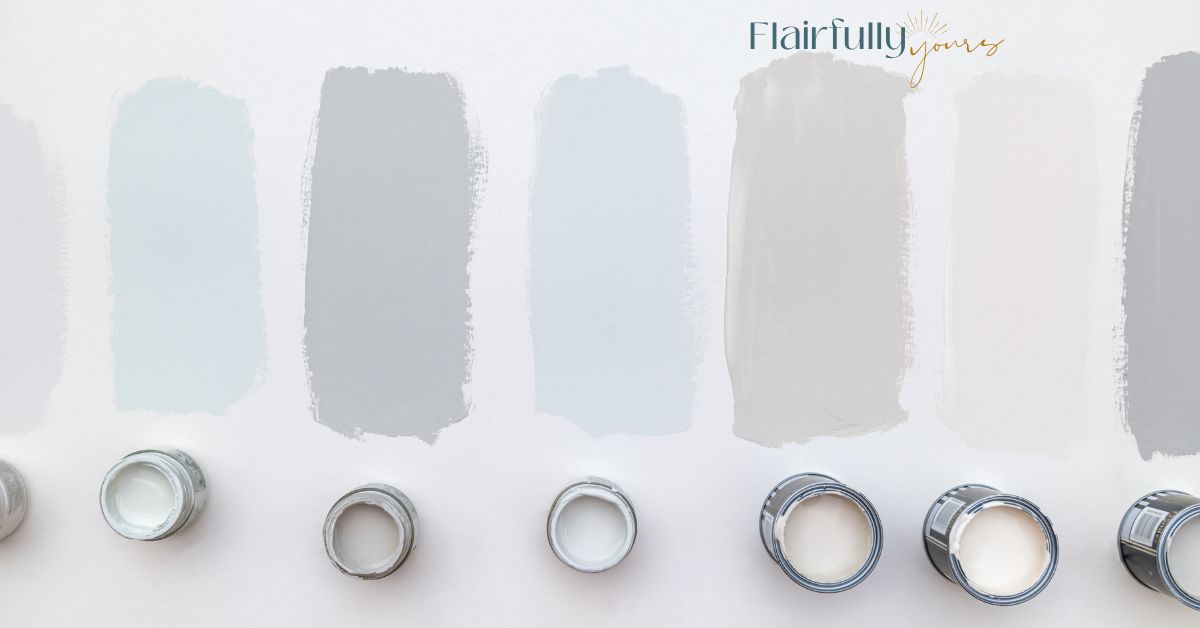
Lay out all your favorite samples and don’t eliminate any yet.
Instead, circle the one you’d be most disappointed to lose. That’s a clue! It’s usually the color that wants to lead.
2. How do I choose just one paint color to start with?
You don’t need to eliminate your favorites! You just need to decide which one goes first.
Ask yourself which color you keep coming back to, and which one matches how you want the room to feel day to day. That color becomes the hero. Once one color leads, the others can relax into supporting roles instead of competing for attention.
Try this:
Finish this sentence: “I want this room to feel ___.”
Then pick a paint color that best delivers that feeling — not the one that just looks pretty on a swatch.
3. Does liking a color mean it should be my wall color?
Not necessarily! And this is where most people get tripped up.
Just because you love a color doesn’t mean it belongs on the walls. Period. Some colors work better as cabinets, furniture, decor accents, or even seasonal swaps. Especially when you’re picking a paint color that has to work all day, every day.
Try this:
Before testing a color on the wall, ask:
“Would I still love this color if I saw it everywhere, all day, every day?”
If that feels like too much, it’s a perfect accent color — just not your main wall color.
Quick Reality Check
If a swatch looked amazing online but feels “off” in your home, it’s not you. It’s lighting + undertones doing their thing. Your wall color can shift all day long depending on exposure and bulbs.
👉 If paint colors keep surprising you once they’re on the wall, this will help avoid swatch disappointment: Paint That Changes Color? Here’s What’s Really Going On (and How to Fix It)
Pro Tip:
Test your top 2 colors on multiple walls and look at them in the morning, afternoon, and evening. That’s when undertones and lighting tell the truth.

4. What should I do with the other colors I love?
Give them a job.
Once the hero color is chosen, the other colors fall into place much more easily when they have clear roles:
- supporting
- grounding
- or adding a small pop.
When colors have jobs, decisions get simpler fast and the room starts to feel intentional instead of chaotic.
Try this:
Label each remaining color as support, neutral, or accent.
Love this idea? Keep it handy.
If you can’t give a color a role, it doesn’t belong in this room — save it for another space.
If you’re stuck choosing between too many paint colors for your coastal design, these 6 tips will help you create a cohesive and flowing palette for your home. Check out the 6 Best Tips for Choosing Coastal Colors
This is where I show you how to narrow colors into clear roles so everything has a place:👉 Choosing Paint Colors Without Overthinking
Adding trim colors is often the final decision that brings your paint palette to life. For a step‑by‑step guide to choosing the right trim colors, check out How to Choose the Right Trim Colors for Your Coastal Home.
5. What if I still feel stuck choosing?
That usually means you’re trying to decide everything at once.
Instead of asking, “Do I love this color?” shift the question to, “What role is this color playing?” Focus on one decision at a time. Paint choices feel heavy when there’s no order guiding them.
Try this:
Pause paint decisions completely and decide just one thing first:
What is the hero color for this room?
Don’t move forward until that answer feels clear.
Before chasing more samples, take a step back and decide what color is meant to lead the room.
👉 Here’s a better starting point for choosing paint without swatch overload or trend chasing: Best Paint Color? Don’t Even Grab a Swatch Until You Do This
6. Do I need to use every color I love in one space?
No — and this part is incredibly freeing.

You can save colors for another room, another season, or even another house. Good design isn’t about using every color you love at once. It’s about letting the right ones shine together — with breathing room.
Try this:
Create a simple “later list” for colors you love but aren’t using right now.
Knowing they’re not gone — just postponed — makes it much easier to commit with confidence.
The Bottom Line
If you like too many paint colors, the solution isn’t more samples — it’s a clearer order.
When one color leads and the rest support, picking a paint color stops spiraling and finally starts to make sense — even with undertones, lighting changes, and real-life rooms in the mix.
Step 1: Start with a Curated Color Palette
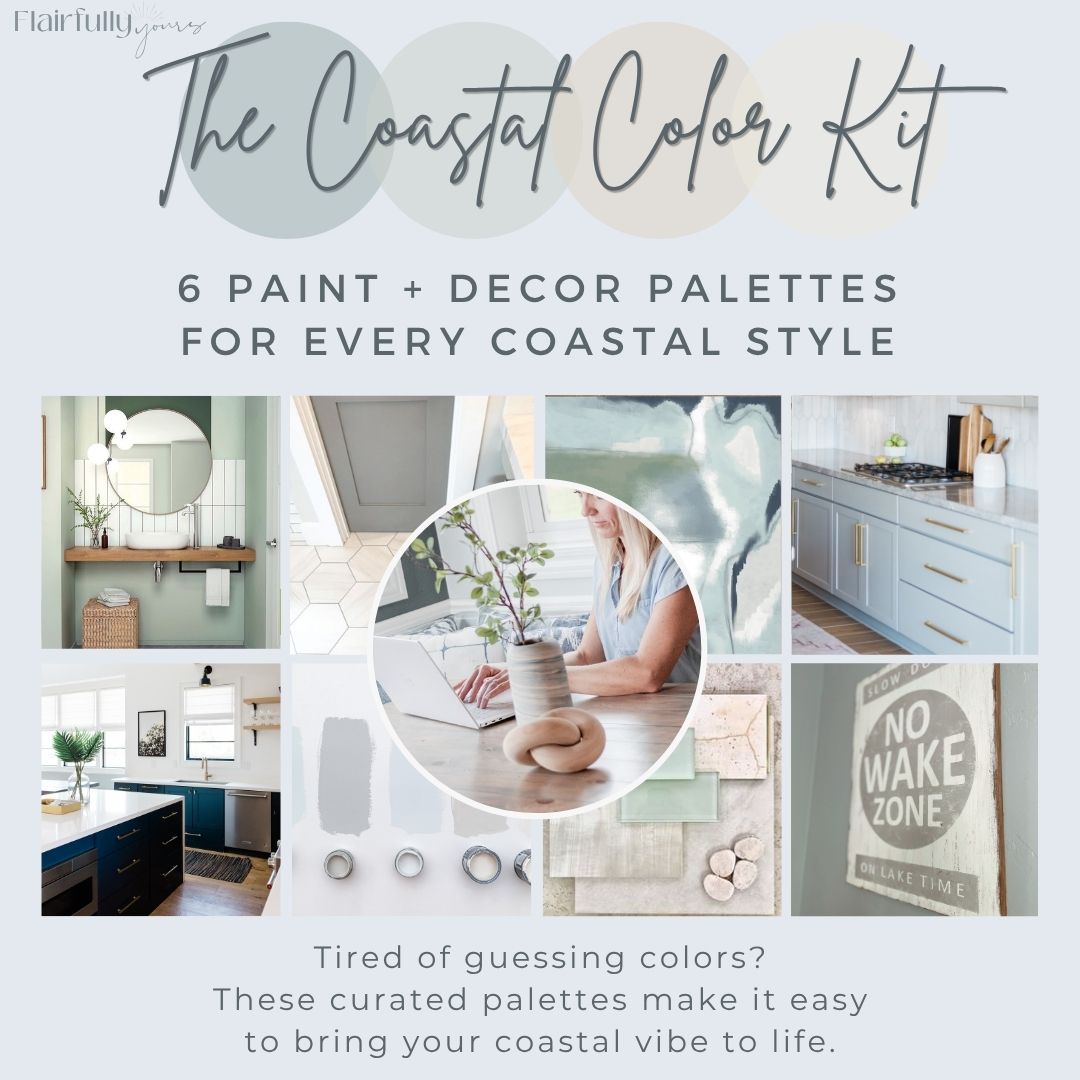
I’ve made it easy for you. The Coastal Color Kit gives you 6 ready-to-use palettes, each with exact paint shades, decor pairing ideas, and even tips on what NOT to pair them with. No more guesswork—just the perfect colors and combinations for your home’s coastal vibe.
🔗 Grab your Coastal Color Kit now and get everything you need to create a cohesive, effortless coastal look today!
Step 2: Want a confident place to start right now?
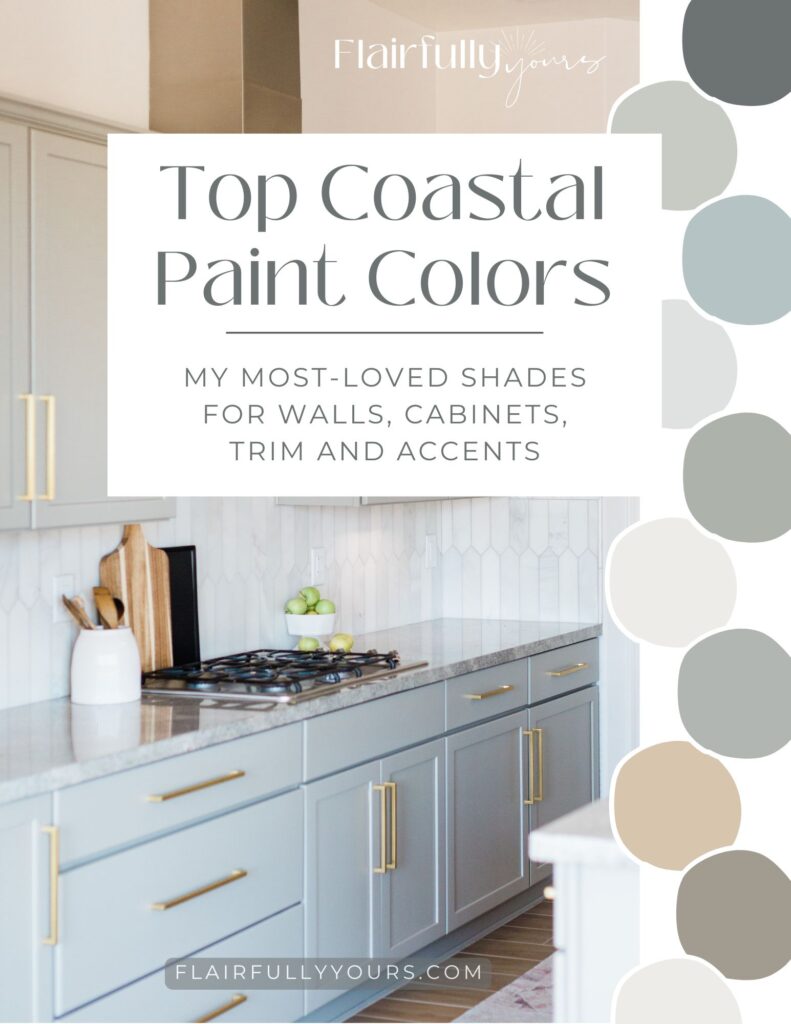
If you like too many paint colors, having a short list of tried-and-true options can make decisions feel a lot lighter.
My Top Coastal Paint Color Guide pulls together the coastal paint colors I reach for most — plus guidance on where they work best (walls, cabinets, trim, doors, and accents), so you’re not guessing from a swatch wall.
Step 3: Prefer to explore and see how colors work together?
If you’re still in inspiration mode, you can browse my Color Solutions blog series for palette ideas, real-life paint picks, and examples of how colors work together across a space.