Things That Can Wreck Your Coastal Design (And How to Avoid Them)

So you’re going for that coastal vibe, but something’s off. It’s looking more “beach house disaster” than “Pinterest-perfect coastal oasis,” right?
We’ve all been there. Let’s go through the design choices that are messing with your coastal design dreams—and how to get back on track.
1. Ornate Furniture
Coastal design style thrives on simplicity, not heavy, intricate furniture. Overly ornate pieces (think intricate carvings, dark finishes) feel totally out of place.
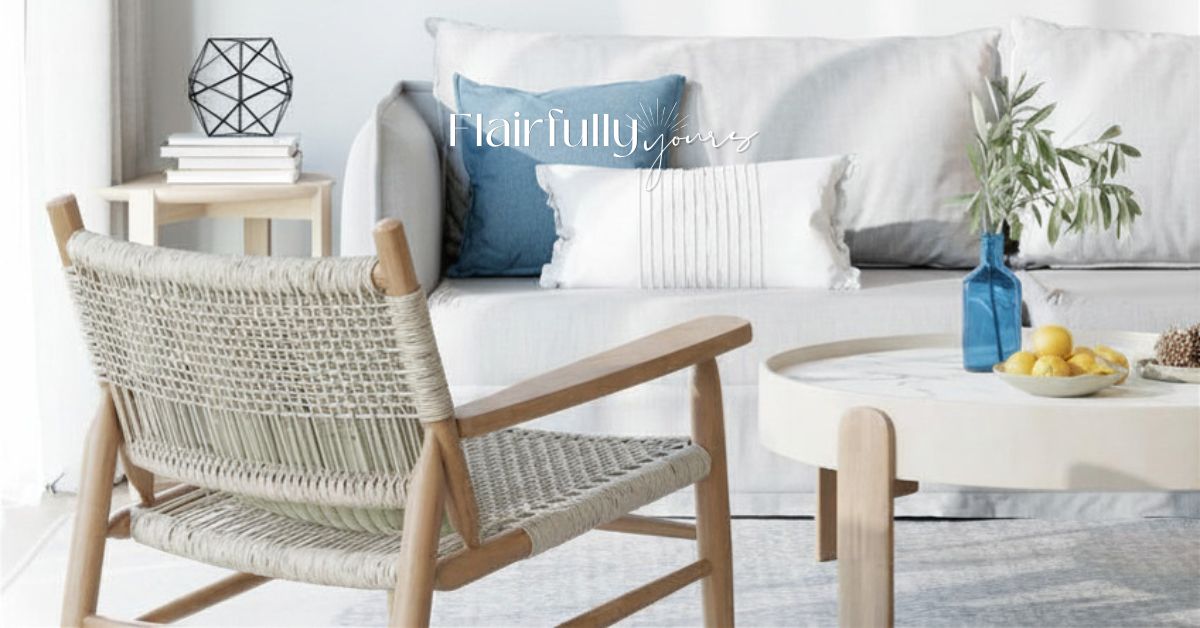
Instead, go for streamlined, light wood or wicker furniture that lets the space breathe. Simple is the way to go!
2. Clutter
Coastal spaces should feel open, airy, and organized, not crowded with unnecessary decor.
Clear surfaces, minimal decor, and open shelving are your best friends here. Less is more—trust me, the clutter-free look works wonders.
3. Dark Wood Tones (e.g., Cherry, Mahogany)
I get it, wood is a must, but rich, dark woods clash with that fresh, breezy coastal design vibe. Opt for light woods with cooler tones or whitewashed finishes to keep that airy feeling you’re after.
And sometimes you just have to work with what you have, like dark wood floors or furniture. In that case, try balancing it with light, airy elements like soft linens or coastal-inspired accessories to lighten the effect.
4. Heavy, Detailed Furniture
Chunky, dark furniture or overly detailed carvings fight against coastal’s clean, breezy vibe.
Instead, choose light, airy furniture with simple lines and finishes that help the space feel more open and relaxed. You want it to feel inviting, not crowded!

5. Sleek and Shiny Finishes
Polished or glossy finishes (lacquered surfaces, high-gloss paint) feel too formal and totally out of place.
Coastal design loves those matte finishes or light, natural materials like linen and cotton for that lived-in, easygoing vibe. Keep it casual, not couture.
6. Beveled Cabinetry
Overly decorative cabinetry with intricate beveling feels way too fancy for coastal design.
Stick to flat-front, shaker-style cabinetry that keeps things clean, relaxed, and effortlessly stylish.
7. Fancy Antiques (as opposed to Vintage)
While vintage items with simple lines are perfect for coastal design, ornate antiques with lots of detailing feel way too formal.
Choose vintage pieces with clean, timeless designs instead to keep things grounded and casual.
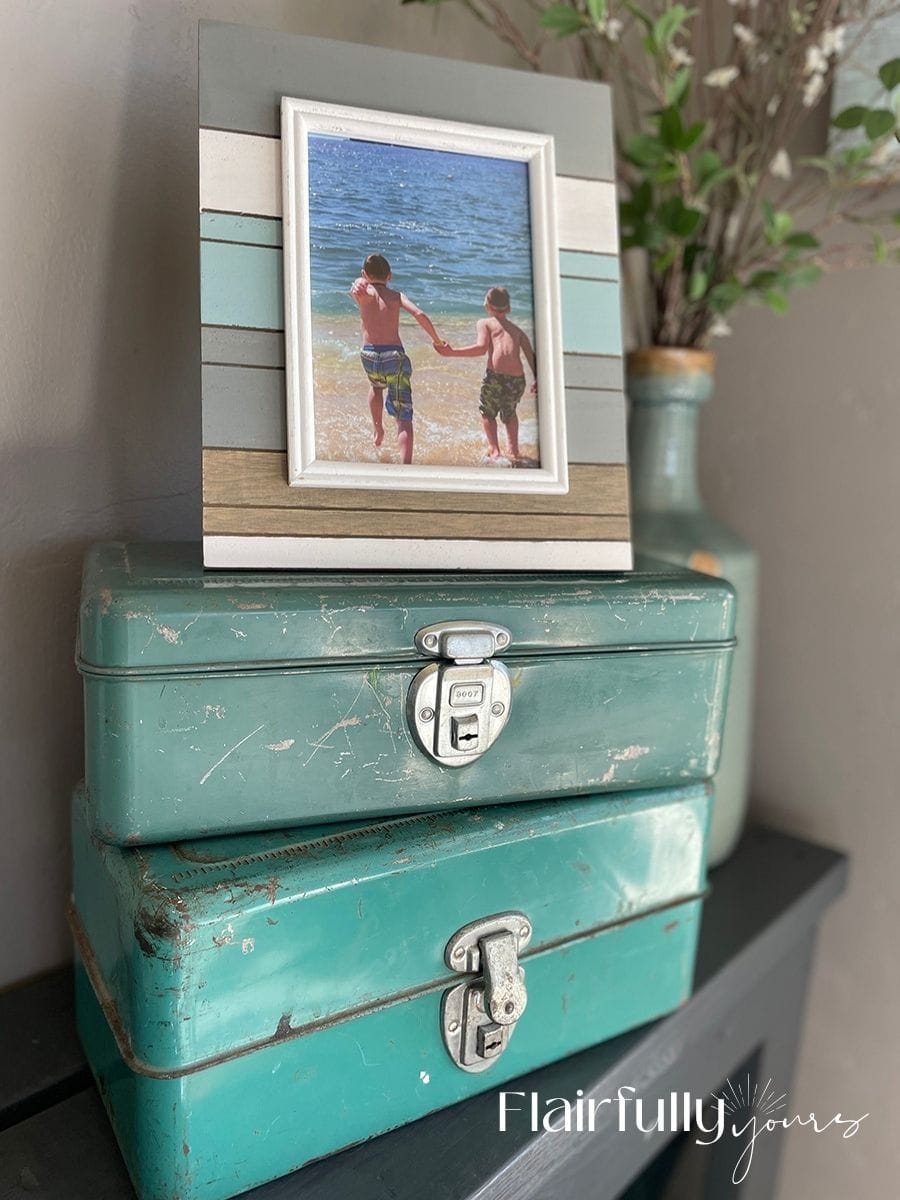
8. Bright, Bold Colors Like Maroon, Burgundy, or Deep Golds
Coastal design thrives on muted tones like soft blues, sandy neutrals, and light greys.
Bold, warm tones can overwhelm the tranquil vibe, so stay away from deep reds or rich earth tones. Stick with soft and calming.
9. Too Heavily Patterned Rugs
Bold floral, Persian- or Oriental-style, or overly graphical rugs can overwhelm a coastalroom. Too much pattern or deep, dark colors can take away from the light, breezy atmosphere.
Opt for soft, neutral rugs like jute, sisal, or light-toned wool that add texture without competing with the rest of the room.
10. Brightly Colored Rugs (e.g., Red, Purple, Black)
Bright, vibrant colors in a rug (especially reds or purples) don’t work well in coastal design.
Instead, go for subtle coastal-inspired hues like seafoam green, soft blue, or sand to keep the vibe calm and cohesive.

Patterns & Fabrics to Avoid in Coastal Design
Coastal design is all about keeping things light, fresh, and breezy. Some patterns and fabrics just don’t fit that vibe. Here’s what to steer clear of:
1. Overly Bold Patterns
I love florals and animal prints too, but bold colors in these patterns can be a bit much for coastaldesign. Bright reds and neon hues can overpower the relaxed, airy vibe you’re going for.
Instead, go for softer tones in your prints—think muted florals or subtle stripes that keep things feeling calm and collected.
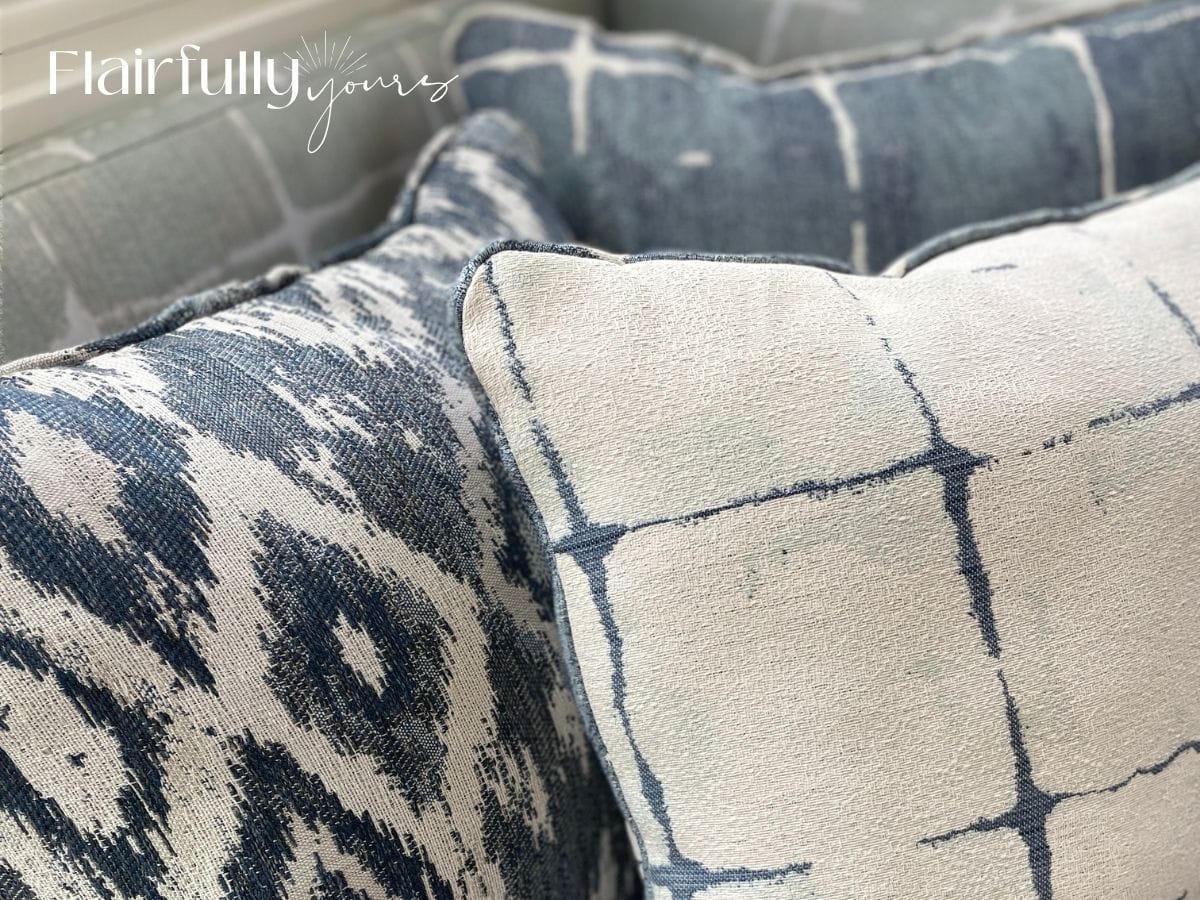
2. Heavy, Ornate Upholstery
You don’t need that stuffy, velvet sofa with all the ornate detailing. Heavy fabrics or intricate patterns can make a coastaldesign space feel more like a formal parlor than a beachy retreat.
Opt for light, natural fabrics like linen or cotton that breathe and feel relaxed.
3. Shiny, Silky Fabrics
While I absolutely love a bit of Coastal Glam (one of my most popular color palettes!), be cautious with overdoing the shiny silks and satin finishes in your fabrics. They can easily tip the scale from coastalchill to flashyandoverdone.
Love this idea? Keep it handy.
Stick with matte or softly textured fabrics like linen, cotton, or light woven textures to keep the space relaxed but still stylish.
4. Dark, Opaque Fabrics
Keep the heaviness out! Deep velvet or thick brocade might scream luxury, but they don’t scream coastaldesign.
Go for light, breathable fabrics that let in air and light—think linen or cotton—to keep that fresh, open feeling.
5. Dark, Heavy Wallpaper
I know wallpaper can be tempting, but dark, intricate patterns (like deep florals or damask) can drag your space down.
Instead, opt for light, airy wallpaper—think soft coastal stripes or even a washed-out print that feels breezy and fresh. See some of my favorites here.

Elements from Other Styles That Can Undermine Coastal Design
Sometimes, it’s easy to get tempted by elements from other design styles that seem like they’ll work with coastal but actually don’t. Let’s talk about the ones to avoid.
1. Industrial Elements (exposed metal, raw concrete, etc.)
While industrial style is popular, it often feels too harsh or cold for a coastal look. Exposed metal, dark, unfinished concrete, or sharp, angular lines can give a space a more urban, gritty feel instead of the soft, airy coastal aesthetic.
Stick with natural textures, like driftwood or light-washed wood, and soft, curved shapes to keep things light and inviting.
2. Bold Bohemian Influenced Patterns (overly bright, chaotic prints, and heavy textures)
While boho and coastal can totally complement each other, bold, clashing patterns or heavy textures (e.g., velvet, thick tassels, overly saturated prints) can make a coastal design space feel chaotic rather than calm.
Instead, keep textures light and airy with a focus on woven or rattan materials, subtle patterns, and natural fibers like linen or cotton. See how to nail the Boho Coastal look here!

3. Farmhouse/Rustic (too many earthy tones and heavy wood)
The rustic or farmhouse aesthetic can quickly undermine coastaldesign when it leans too much into deep, earthy tones or rough, unfinished wood. This can clash with the fresh, light, and airy nature of coastal spaces.
Avoid heavy, reclaimed barn wood furniture and opt for light, sun-washed finishes that keep things relaxed and breezy.

4. Formal Traditional (too much dark upholstery or drapery)
Heavy, formal drapes or upholstery in dark tones like burgundy or gold can make coastalrooms feel too stuffy.
Instead, go for light, airy fabrics like linen or cotton, and consider sheer drapes or woven blinds to let the light in.
Design Choices That Seem Coastal But Aren’t
These items might look coastal at first glance, but they can actually take the vibe in the wrong direction. Here’s what to watch out for:
Overly Decorative Seashells or Driftwood
While these are staples in coastal design, using them excessively or in kitschy ways (e.g., fake, painted shells) can look cheap.
Opt for natural, understated pieces like a few shells in a glass vase, a starfish, or driftwood styled as a minimalist accent piece for that subtle coastal touch.

Tropical Furniture (e.g., Rattan Furniture with Bold Floral Cushions)
While rattan or wicker works in coastaldesign, pairing it with bold tropical patterns or bright florals can feel more Caribbean or tropical than coastal.
Stick with subdued, neutral cushions or natural linen to complement the airy coastalvibe.
All White (Without Any Contrast)
Sure, white is key to coastaldesign, but all-white can feel too stark and lack the warmth and depth needed for a cozy, lived-in coastal vibe.
Whitewalls with natural wood tones, soft blues, or earthy accents can balance out that clean, fresh feel without making your space look too sterile.

Overdoing the Blue
Blue isn’t the issue, but without contrasting whites and sandy tones, too much blue just missesthemark. You need those soft, neutral elements to keep the space from feeling too one-dimensional.
Add in warm neutrals, earthy tones, or light wood to keep the vibe fresh and balanced.
Struggling with color selections? Find your perfect coastal colors!
Check out my Top Coastal Paint Colors here.
Wrap-Up: Nail Your Coastal Design!
Coastal design doesn’t have to be tricky—just keep it light, balanced, and natural. Skip the common mistakes and your space will feel like a breezy, stylish escape.
Make your coastal styling simple with this one important rule and be sure to grab your Top Coastal Paint Colors guide to make your space pop!